Print Ain’t Dead: Why Physical Touchpoints Still Matter
In a world flooded with digital messages, social media feeds, and email overload, it’s easy to assume print is a thing of the past. And with AI giants pushing not just streamlined content but AI slop, how else can a brand break through the noise?
But here’s the truth: print is far from dead. Physical touchpoints remain a powerful way to connect, build trust, and leave a lasting impression.
The Psychology of Touch and Tangibility
Humans are multisensory beings. While digital screens engage our sight and sometimes sound, print engages the sense of touch — and that matters. Studies show that physical materials activate different parts of the brain, making the message more memorable and emotionally resonant. Holding a beautifully designed business card or flipping through a well-crafted brochure creates an experience that a screen just can’t replicate. In a world of digital fatigue, print offers a refreshing, tangible moment.
Print Builds Credibility and Trust
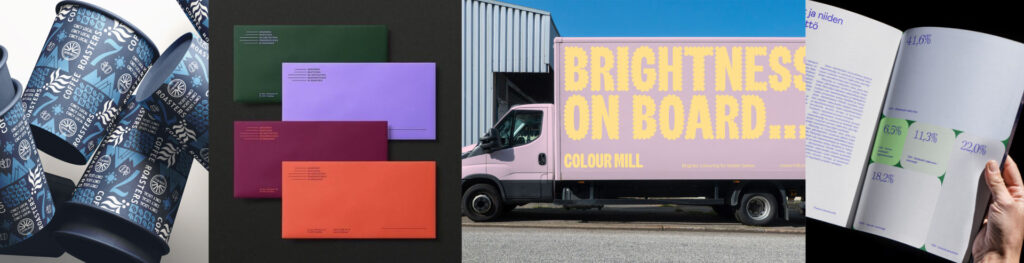
Print conveys a sense of quality and seriousness. There’s a reason why high-end brands invest in premium packaging, letterpress invitations, and thick business cards — these tactile elements communicate value. They imbue trust. When someone receives a thoughtfully printed piece, it signals that your brand cares enough to invest in the details. This perceived credibility can be a crucial differentiator, especially for startups and luxury brands.
Print in the Age of AI
Analog authenticity is going to matter more and more as we surge ever-forward into an AI-littered world & internet. Anyone younger than a Millennial is highly skeptical of AI. Some would argue it goes beyond distrust and into outright hatred. Millennials themselves are trying to get their kids away from screens entirely & back to being hooked on phonics. These consumers are going to be harder to reach (and harder to convince) as they come into their true purchasing power.
Ultimately, quality you can literally feel is impossible to fake.
Print and Digital: A Perfect Partnership
Print and digital aren’t enemies; they’re powerful allies. Printed materials can drive people online through QR codes, personalized URLs, and promo codes. This multi-channel approach reinforces your message and creates multiple touchpoints with your audience. Direct mail campaigns, for example, are experiencing a resurgence because they offer a surprise-and-delight factor in an email-saturated inbox. Smart brands know how to blend the two seamlessly for maximum impact.

Print Touchpoints That Still Work Today
Kind Snacks undertook a brand refresh to modernize its visual identity while maintaining its core values. Here’s how they tackled it:
- Packaging and Labels: A brand’s last physical impression often comes from its packaging, so make it count. Make me want to reach out and touch your product. Make me pick it up. Make it irresistible.
- Events & Collateral: Trade shows, guerilla marketing, pop-ups, in-person experiences. Posters, flyers, and swag can amplify these effects.
- Direct Mail: Personalized and targeted mail campaigns can cut through digital noise. Key words: personalized & targeted. Avoid an onslaught, send me something that’s uniquely for me.
- Lookbooks and Catalogs: Showcase products in a tactile, visually rich way. These can be especially effective in luxury categories.
- Special Projects: Letterpress, embossing, and textured papers add a luxurious, memorable feel. Think about your products’ unboxing experience – is it memorable? Does it delight? Apple’s the golden standard, but I’d bet you can remember other unboxing experiences too. (One of my faves is when I opened my Willow Go for the first time before returning from maternity leave. Niche, I fear.)

Using Print Strategically
Not every brand needs a print-heavy strategy, but every brand should consider where print adds value. Think quality over quantity: invest in fewer, higher-impact pieces rather than flooding people with brochures. Tailor your print choices to your audience’s preferences and your brand personality. And don’t forget sustainability. Eco-friendly paper stocks and printing processes are increasingly important to consumers.
Conclusion: Print Is Alive, Well, and Worth the Investment
Print isn’t just a relic; it’s a vital tool in a balanced marketing and branding strategy. It creates experiences, builds trust, and helps your brand stand out. When thoughtfully executed, print elevates your message and deepens your connection with your audience in ways digital alone can’t.
So the next time you think about your marketing mix, remember: print isn’t dead—it’s very much alive and ready to make a real impact.
Ready to Evolve Your Brand?
If you’re wondering how your packaging, print, or physical touchpoints are really showing up in the world, I help teams unpack what’s working, what’s falling flat, and where a tactile brand moment could make the biggest impact.
If you’re not sure where to start, I’d love to chat. Let's build something people can actually to hold onto.

Maddie Schneider
art director