Good Products Start with Research: Designing from Real User Insights
The most successful products are rarely the result of assumptions; they're shaped by insights gathered from real people, environments, and experiences.
When people think about industrial design, they usually picture sketching, CAD models, renderings, or prototypes, but some of the most important design work happens before any concepts are created.
Good products start with understanding how people behave, interact, adapt, and problem-solve in the real world—that’s where design research becomes a critical part of the industrial design process.
What is Design Research and Why Does it Matter?
Design research helps us understand users beyond assumptions or stakeholder opinions. Instead of designing around what we think users need, research helps uncover how people actually experience products, environments, and workflows.
This process can include:
- User interviews and surveys
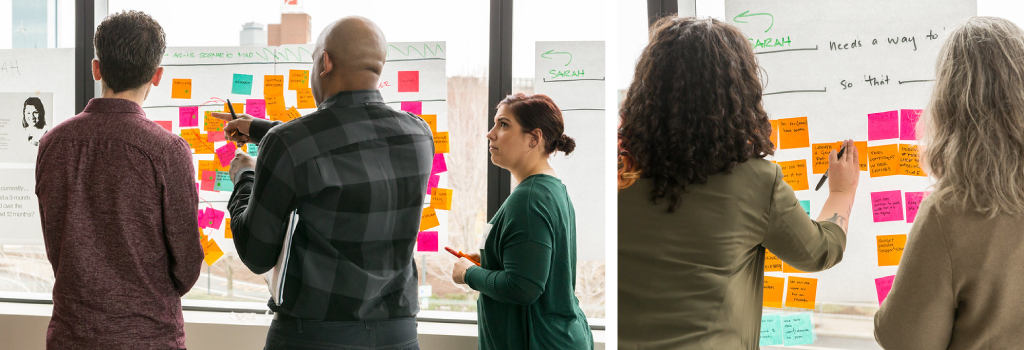
- Workshops and collaborative exercises
- Contextual observation in real environments
- User testing and journey mapping
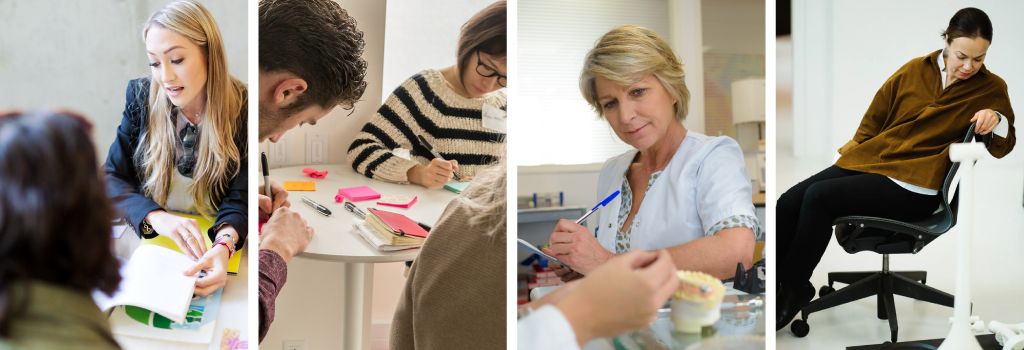
One of the biggest lessons from design research is that users rarely interact with products exactly as intended. People create shortcuts, adapt behaviors, ignore instructions, and develop alternative uses, and those learnings often reveal the best opportunities for innovation.
In some cases, research even reveals that the original problem statement was wrong. A team may be brought in to redesign a specific product, only to discover through user interviews and observation that the real frustration happens at a different part of the experience than expected. Instead of improving the product itself, the better solution may involve rethinking a different, overlooked touchpoint in the user journey.
Without research, those insights are easy to miss, therefore increasing the risk of solving the wrong problem, which can lead to expensive revisions later in development.
Designing with Empathy Creates Better Products
At its core, design research is about empathy—not as a buzzword, but as a practical design tool. The more clearly a team understands a user’s environment, frustrations, habits, and priorities, the better equipped they are to create products that genuinely improve the experience.
By grounding decisions in real user behavior instead of assumptions, design research helps designers create more intuitive experiences, reduce usability issues and revisions, and build stronger long-term satisfaction. The best products rarely happen by accident; they come from paying close attention to how people actually live and designing accordingly.
If you’re developing a product and want deeper insight into the people you’re designing for, Mertz can help define insights and opportunities that lead to smarter, more effective product experiences.

Natalie Schaake
industrial designer