Perfectly Imperfect: A LEGO Study in 3D Realism
Perfectly Imperfect: A LEGO Study in 3D Realism
Before & After

Drag left or right to compare
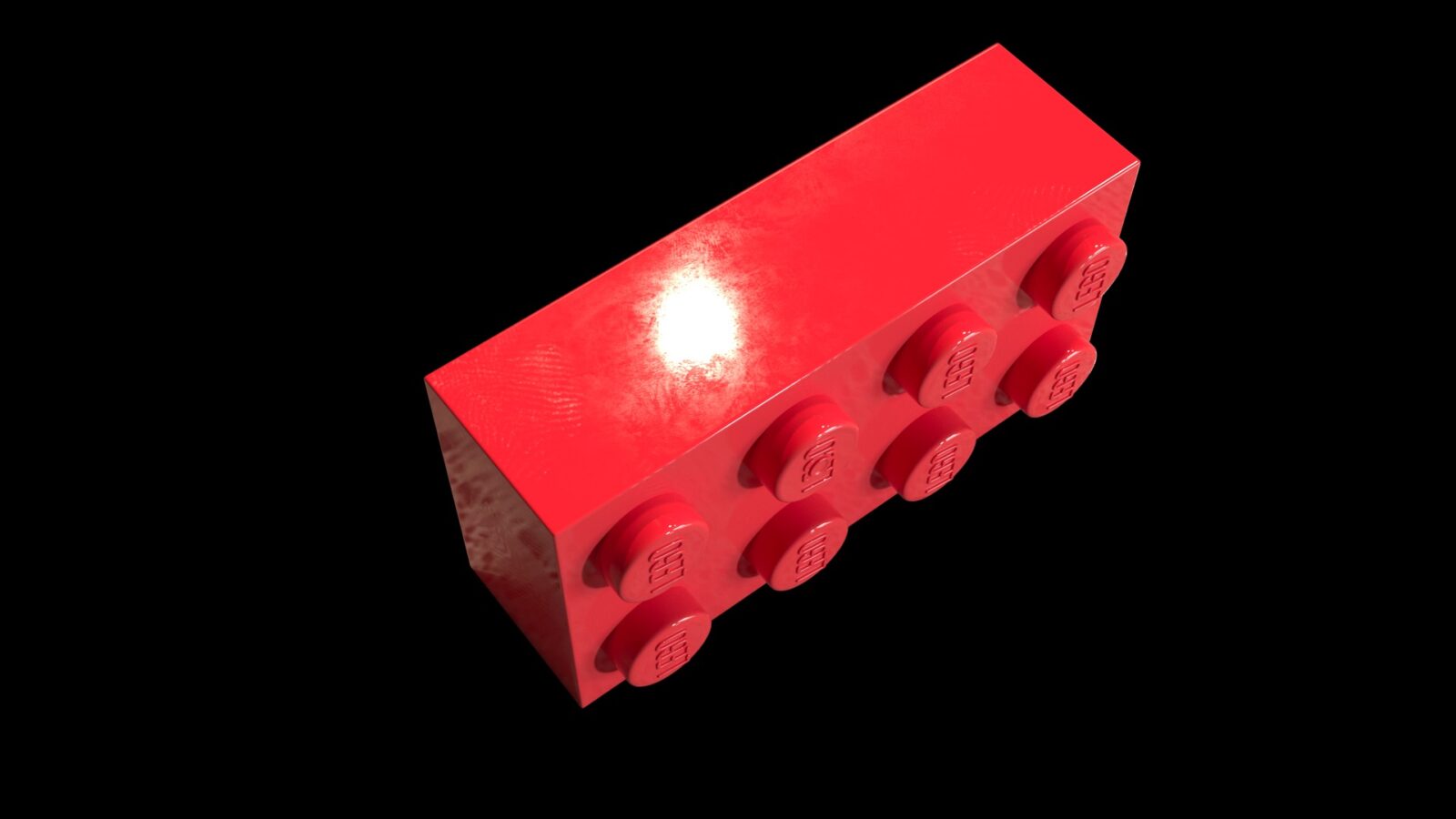
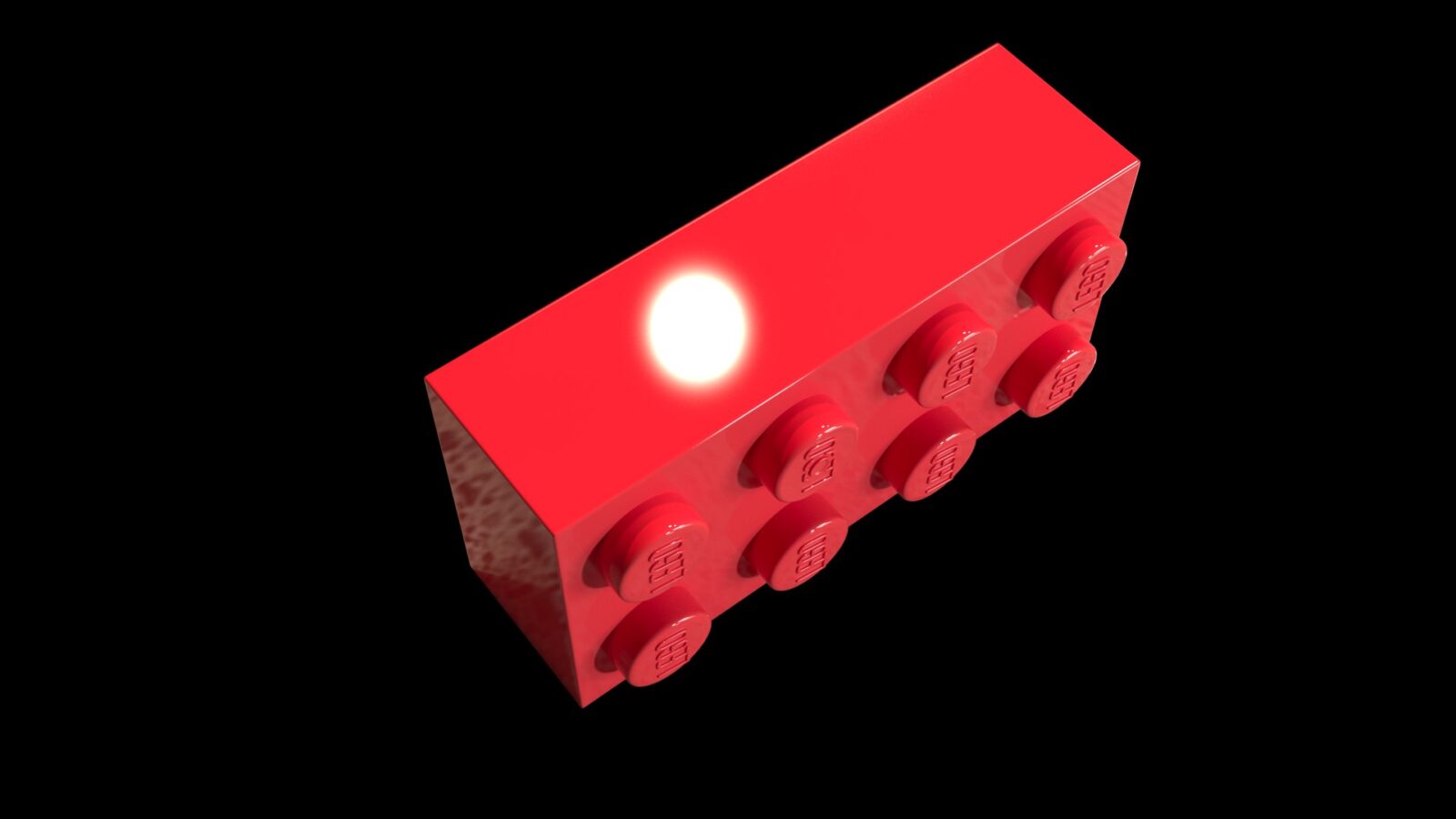

← Drag left or right to compare →
The artist’s job is not to remove every accident. It is to recognize which imperfections make the product feel more tactile, cinematic, and believable.
The LEGO Group’s tech-infused Smart Brick animation is a strong example of this idea. At first glance, you may not notice the micro-smudges, subtle scratches, matte bumps, or tiny surface variations in the plastic. But those details are doing a lot of work. They make the object feel handled, manufactured, and real. Instead of looking like a perfectly clean render, the brick carries a sense of touch, scale, and physical presence that makes the final image feel more believable.
Click the link here to view: The LEGO Group unveils new tech-infused Smart brick
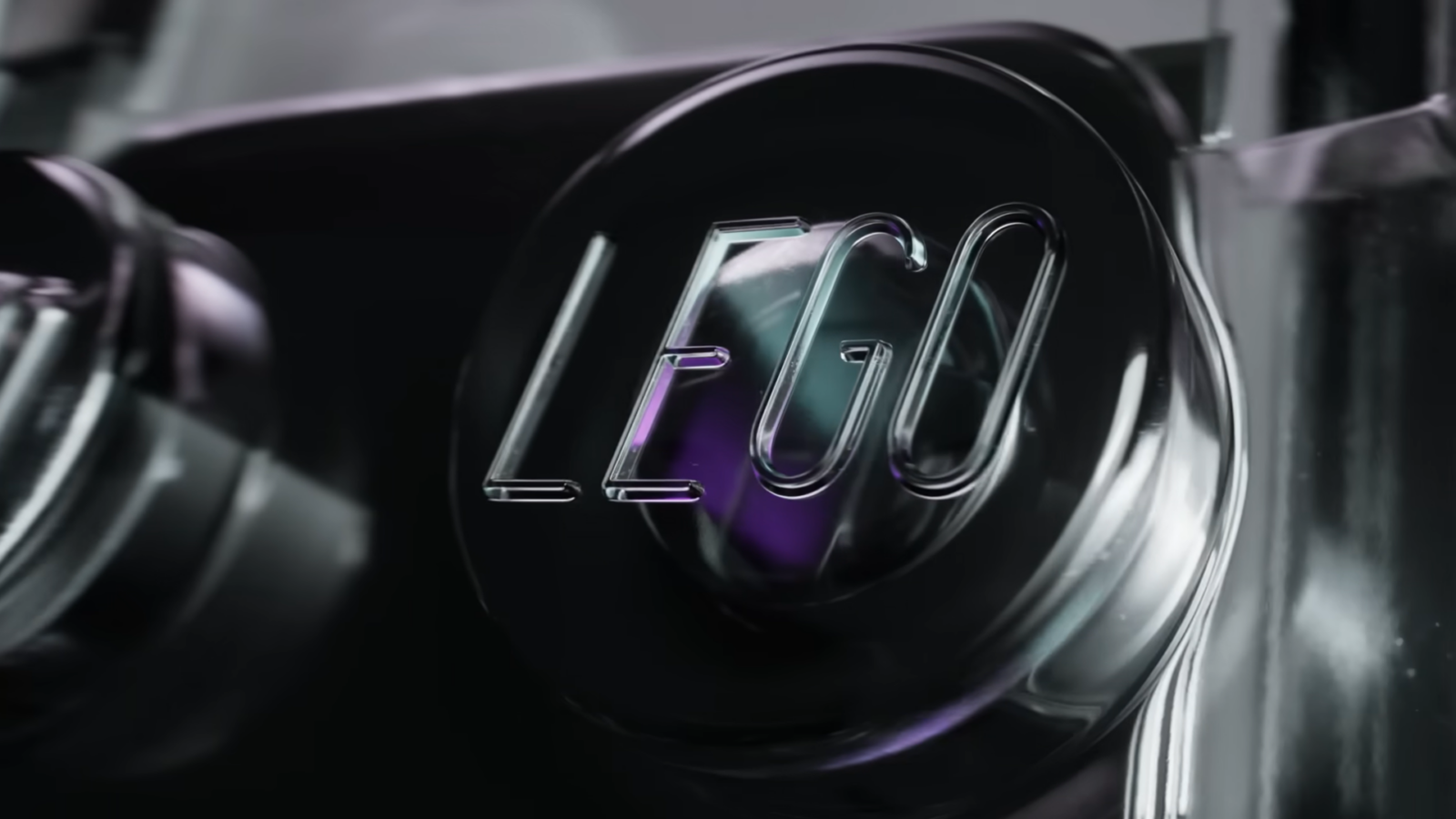
So how does the brain read realism?
When you look at a real object, your brain is not just seeing the object itself. It is reading how light hits the surface, how edges catch highlights, how reflections break up, and how small imperfections reveal material. A fingerprint tells your brain the surface is glossy. A softened edge tells your brain the object has been handled. A tiny scratch tells your brain the material has friction and age. Dust, bumps, and uneven roughness create small shifts in light that help your brain understand scale, texture, and weight.
That is why micro details matter so much in 3D renders. You may not consciously notice every scratch or smudge, but your brain is still processing them as evidence that the object belongs in the real world. When a render is too perfect, those cues disappear. The object may look clean, but it can also feel weightless, plastic, or artificial. Realism often comes from giving the brain enough imperfections to believe the image is physical.

That is where strong 3D product animation lives: in the space between control and surprise.
At Mertz Design Studio we strongly believe the product still needs to feel beautiful, polished, and true to the brand, but it also needs enough imperfection for the brain to believe it. A perfect 3D object can show what a product looks like. The right imperfections show how it feels. They tell us the surface has texture, the material has weight, and the object belongs in the real world.
The best animations are not the ones where every flaw is erased. They are the ones where the right flaws are kept with intention.
In the end, perfection may build the object, but imperfection makes it feel like it belongs in the real world — one tiny brick at a time.