From Idea to Shelf: How Design Sprints Accelerate CPG Brands
If your brand is trying to build, launch, or scale products without a clear process, you’re likely leaving speed, clarity, and money on the table.
That’s where a design sprint comes in.
A design sprint is a structured, time-boxed process used to quickly solve big problems, validate ideas, and align teams before committing significant resources. Instead of months of meetings, debates, and back-and-forth revisions, a sprint compresses decision-making into a focused 2-3 week window.
For CPG brands, this isn’t just helpful, it’s transformative.
Consumer packaged goods live and die by speed. Shelf space is limited, trends shift quickly, and first impressions are everything. Whether you’re launching a new product, redesigning packaging, or refining your positioning, hesitation can cost you real momentum.
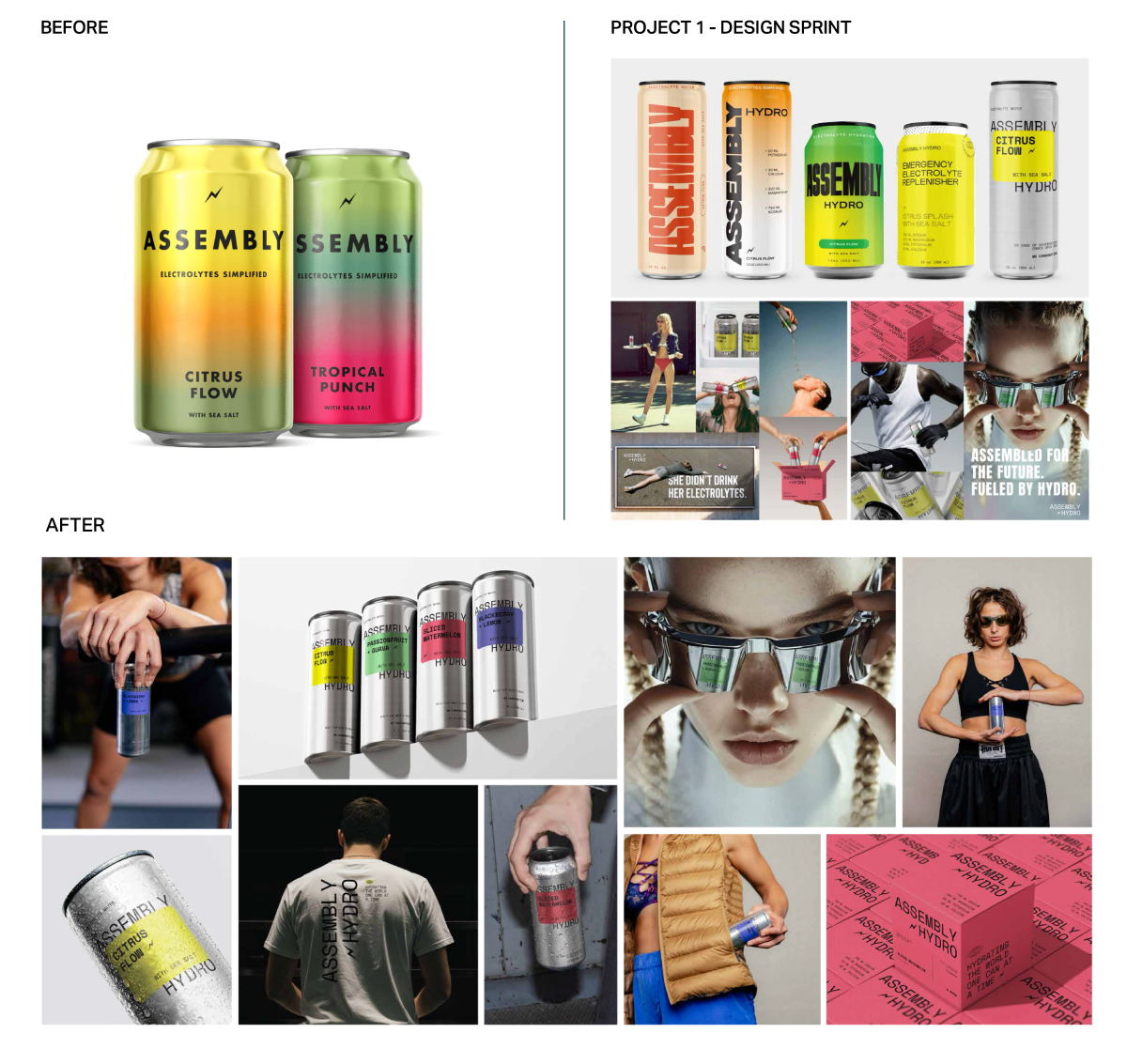
A design sprint forces clarity early.
By bringing together key stakeholders, marketing, design, operations, and leadership, you create a shared understanding of the problem and a unified vision for the solution. Instead of everyone operating in silos, you’re working from the same playbook. That alignment alone can eliminate weeks (or months) of internal miscommunication.
Another major advantage is speed without sacrificing quality.
Traditional processes often stretch timelines unnecessarily, with endless iterations and feedback loops. A design sprint flips that model. It prioritizes focused exploration, rapid prototyping, and real-world testing. You’re not guessing what might work, you’re putting concepts in front of real users and gathering meaningful feedback before committing to production.
For CPG brands, this is critical.
Packaging decisions, for example, are often made based on assumptions or internal opinions. But a well-executed sprint allows you to test shelf impact, messaging hierarchy, and visual appeal in a realistic context. That means fewer costly reprints, stronger retail performance, and more confidence when you go to market.
Design sprints also reduce risk.
Launching a product is expensive. Between manufacturing, distribution, marketing, and retail placement, the stakes are high. A sprint acts as a pressure test, helping you identify what resonates, what falls flat, and what needs to be refined before you scale.
Instead of betting big on a single untested direction, you’re making informed decisions backed by insights.
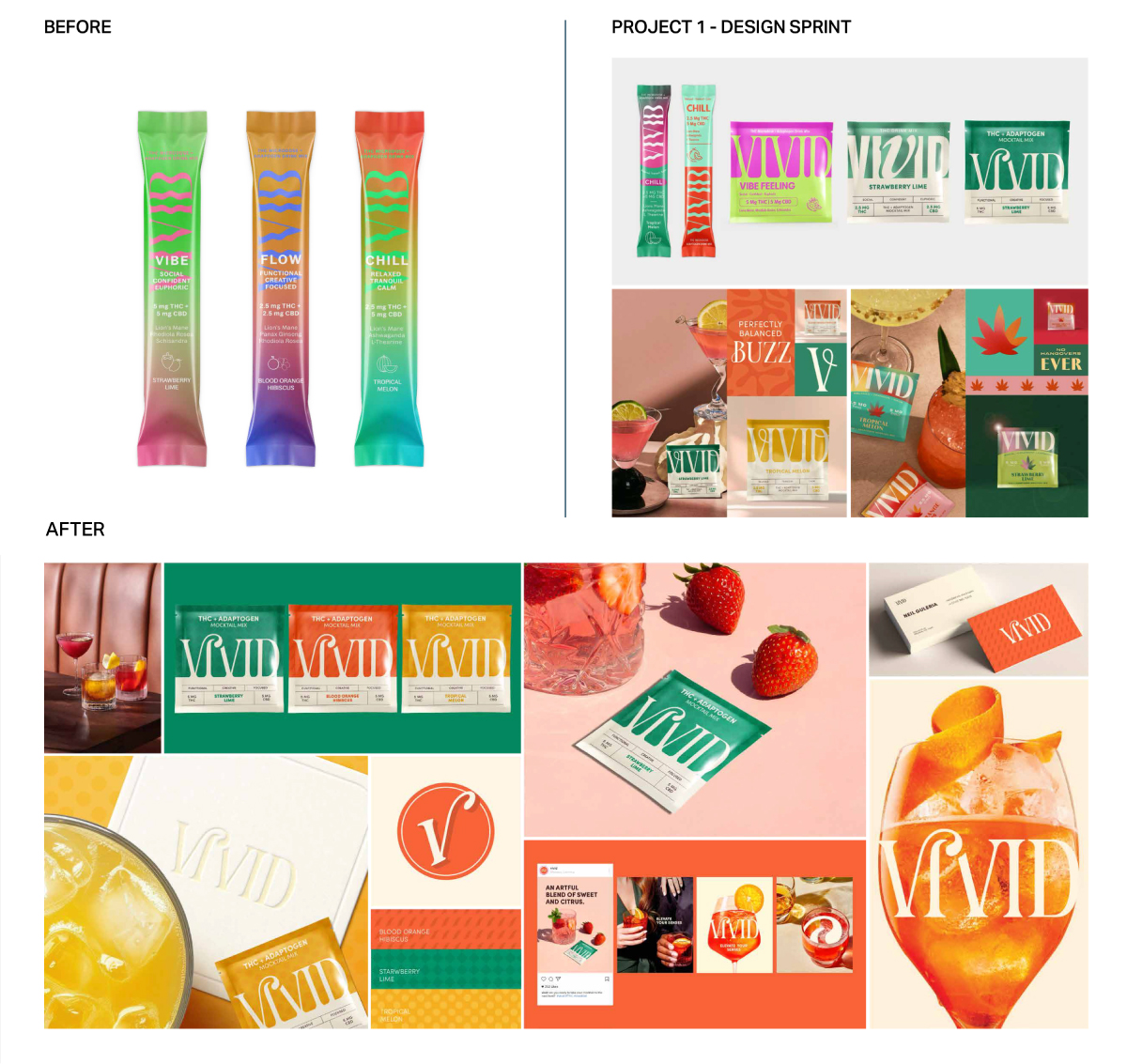
There’s also a creative advantage.
Because a sprint is time-boxed, it encourages focused creativity. Constraints often lead to better ideas. Teams are forced to think critically, move quickly, and explore bold directions without getting stuck in perfectionism. For CPG brands competing in crowded categories, that edge can make all the difference.
And perhaps most importantly, design sprints help you move from idea to action.
Too many brands get stuck in planning mode, overthinking concepts that never make it market. A sprint creates momentum. By the end of the process, you don’t just have ideas, you have validated directions, tangible prototypes, and a clear path forward.
That shift, from uncertainty to clarity, is where real growth happens.
If your CPG brand is looking to launch faster, reduce risk, and create stronger, more strategic outcomes, a design sprint isn’t just a workflow, it’s a competitive advantage.
If you’re ready to bring structure and speed to your next big idea, let’s talk about how a design sprint can fit into your process.
Contact us at daveb@mertzdesignstudio.com.

David Baillie
Creative Director, Food & Bev