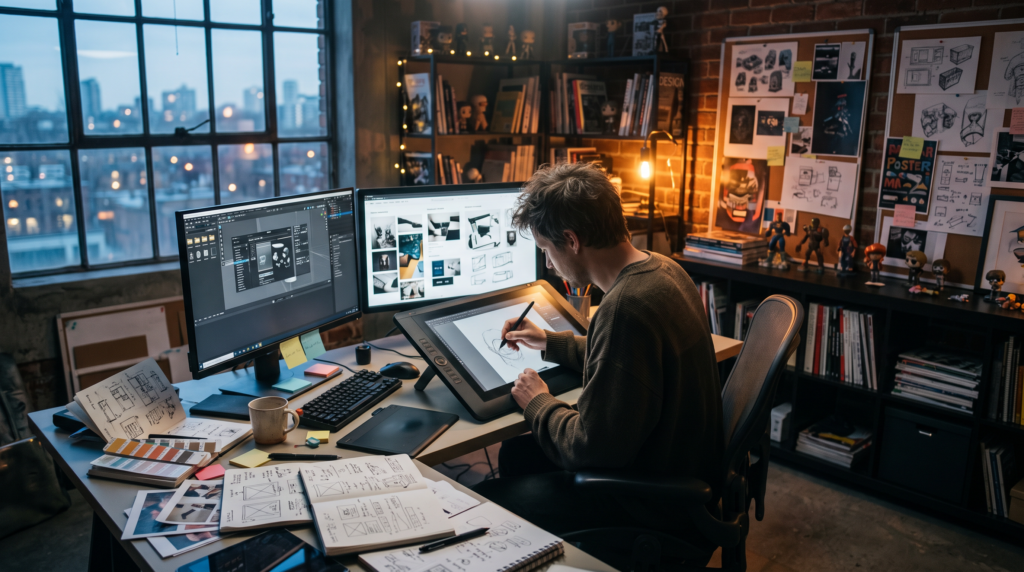
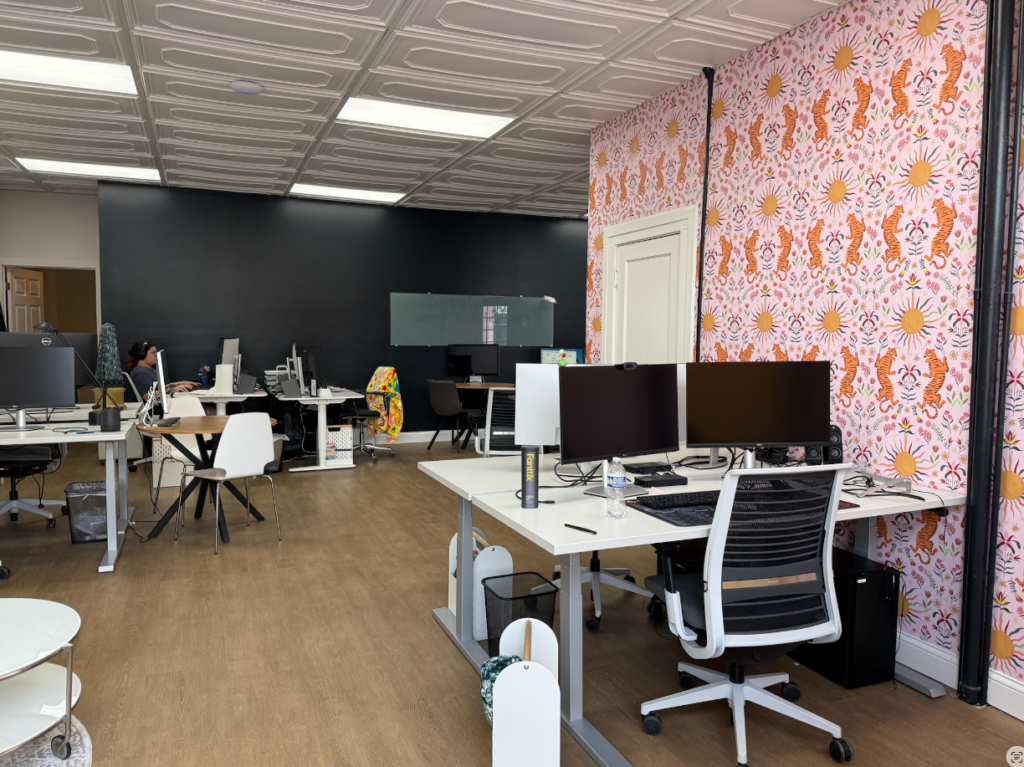
How Workflows Constantly Evolve: Why Adaptability Is the Most Important Tool in Your Kit
If you asked every designer in your studio to map out their workflow, chances are no two would look exactly the same. And if you asked the same designer to map out their workflow for two different projects, those would not look the same either. That is the reality of working in a creative consultancy, there is no single fixed process that works universally across every client, every brief, and every deadline. Workflows are not static blueprints. They are living, breathing systems that shift and adapt based on the demands of the work in front of you.
Every client brings something different to the table. A large corporate client might require rigid approval stages, detailed documentation, and multiple rounds of stakeholder sign-off before a single design decision is confirmed. A smaller, more agile client might want fast turnarounds, informal check-ins, and the freedom to iterate quickly without bureaucratic process slowing things down. The way you work for one is simply not how you can work for the other. A workflow that serves one project beautifully can feel clunky and obstructive on the next, and recognizing that early is what separates studios that deliver consistently from those that struggle to adapt.
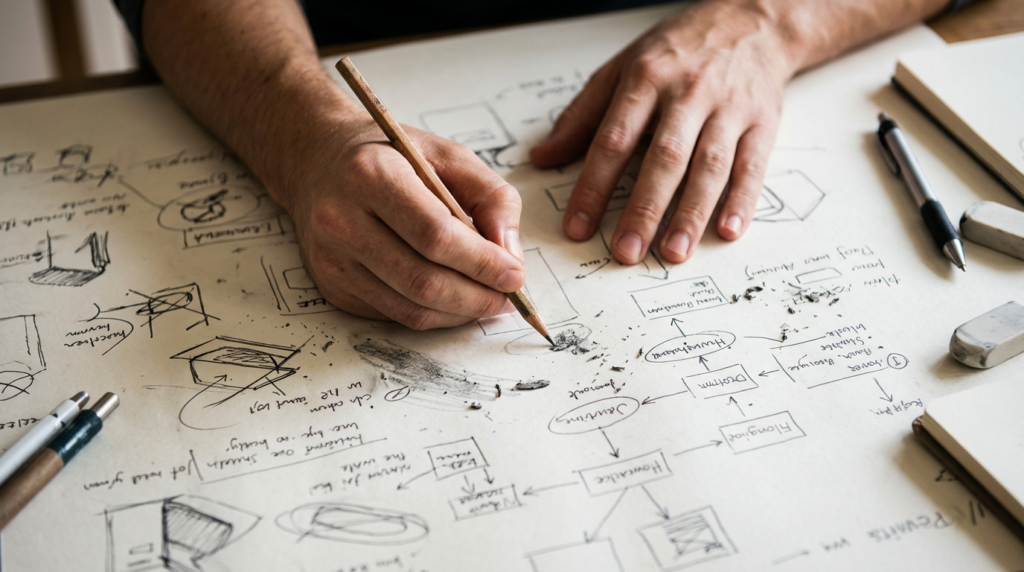
This means that as a designer, the ability to bounce between different ways of working is not a weakness, it is one of your greatest professional strengths. Some projects will demand highly structured, linear workflows where each phase must be completed and signed off before the next begins. Others will thrive on a more fluid, non-linear approach where design, feedback, and iteration happen simultaneously and overlap freely. Learning to read a project and a client, and instinctively knowing which approach will serve the work best, is a skill that develops over time and with experience.
It also means being willing to let go of habits and processes that feel comfortable but may not be the right fit for every situation. It can be tempting to fall back on a workflow that has served you well in the past, but carrying a rigid process into a project that requires flexibility will create friction. The best designers are those who treat their workflow as a toolkit rather than a rulebook, picking up the tools that serve the moment and setting aside the ones that do not.
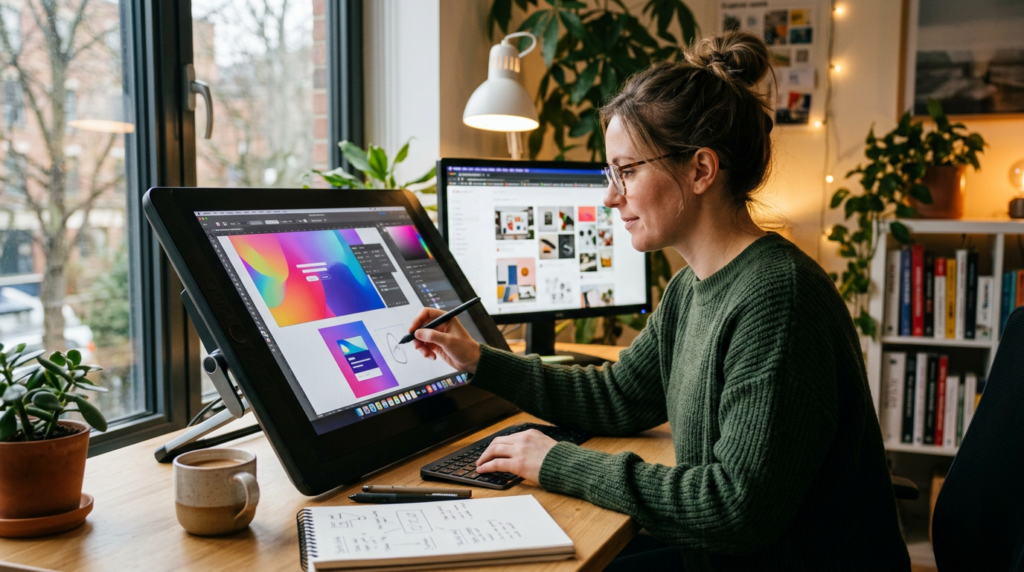
And just when you feel like you have found your rhythm like you have a genuine handle on how to flex and adapt your process, a new challenge enters the picture for example artificial intelligence. The rapid growth of AI tools is reshaping workflows across the creative industry at a pace that is genuinely unprecedented. From generative design tools and AI-assisted image creation to automated motion graphics and intelligent project management platforms, the technology is not sitting quietly on the horizon anymore. It is already on your desk.
Keeping up with AI is not optional for studios that want to stay competitive. It requires the same mindset of adaptability that good project work demands, a willingness to learn, experiment, and integrate new tools into your process even when they challenge the way you have always done things. The studios that will thrive are not necessarily those with the biggest teams or the longest client lists. They will be the ones who embrace change as a constant, treat every new tool as an opportunity, and understand that in the creative industry, evolving your workflow is not a disruption. It is the work itself.