2026 Products We Can’t Stop Thinking About
Design trends are easy to overstate, especially halfway through the year. But every so often, a few products catch our attention because they reflect a broader shift in expectations.
This year, the themes feel less focused on novelty and more focused on integration: products that disappear into routines, move between spaces, and rethink what people actually want from the things they live with every day. These are a few 2026 products that made us look twice and the design patterns they reveal.
1. Specs AR Glasses
TREND | Fashion-First Technology
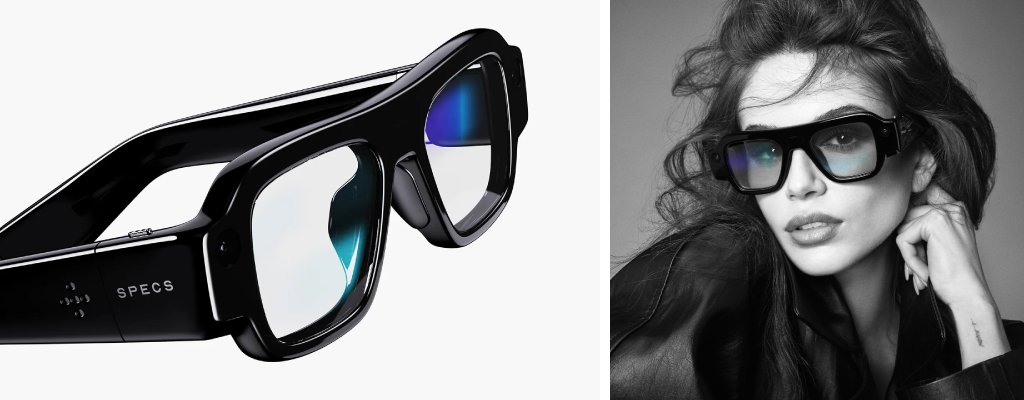
What initially caught our eye wasn’t the functionality—it was the form. Up until now, smart glasses have often borrowed heavily from existing eyewear languages. Think products that feel distinctly tied to recognizable frames, like the Meta Ray-Ban or Oakley glasses, for example.
What’s interesting about this next wave is that a different visual language is starting to emerge: thick, soft, chunky forms that feel more editorial and fashion-forward than traditionally “tech.” Rather than asking consumers to adopt a gadget, these products are starting to behave more like accessories chosen for identity and self-expression as much as utility.
As technology becomes less visually prominent, product experience starts shifting away from interfaces and toward aesthetics, comfort, and how something feels to wear.
Check it out @ https://www.specs.com/
2. IKEA PS 2026 Collection
TREND | Playful Functionality
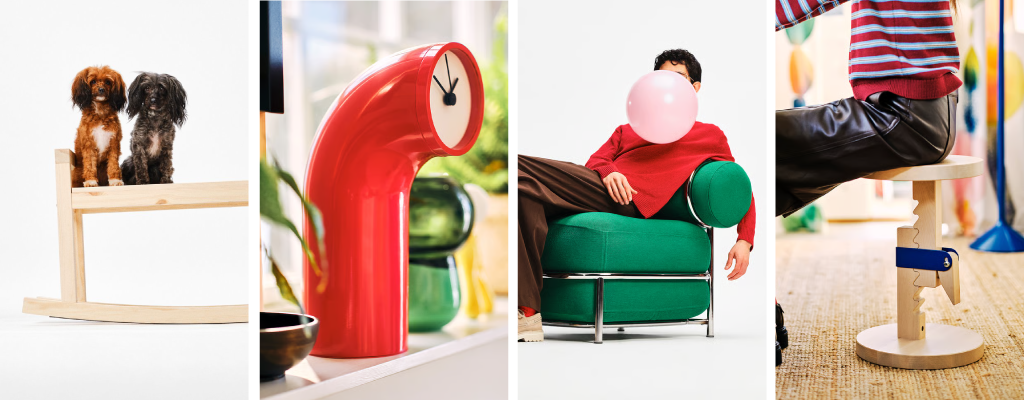
One of the most interesting parts of this collection isn’t just the furniture itself—it’s the “PS.” Short for Post Script, IKEA’s PS collections have historically acted as an experimental addendum to their core assortment: a place for ideas that feel a little more exploratory, expressive, or unconventional than everyday offerings.
The 2026 collection feels whimsical and playful while still staying grounded in the modesty that Scandinavian design does so well. From inflated upholstered elements to interactive pieces like the rocking bench and adjustable stool, pops of color and different materials work together to create unexpected experiences. Especially charming is the curved table clock, balancing personality and restraint.
This collection feels less like furniture design and more like a reminder that utility doesn’t have to be serious.
Check it out @ https://www.ikea.com/ikea-ps-2026-collection/
3. Clicks Communicator
TREND | Intentional Constraints
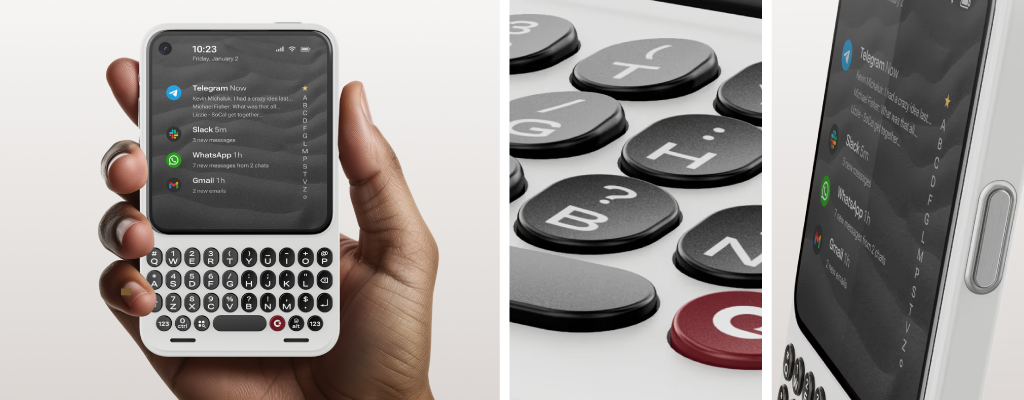
The original Clicks Keyboard case caught our attention back in 2024 because it felt like a playful nod to nostalgia—a return to tactile interaction with obvious BlackBerry energy.
Instead of recreating the past for the sake of aesthetics, the Clicks Communicator taps into a growing reaction against endless feeds and constant attention capture. Their positioning says it well: “A new kind of mobile communicator designed for doing, not doomscrolling.”
For years, consumer technology has been optimized for more engagement, more content, and more time spent inside digital apps. Products like this suggest a different direction, where intentional limitation becomes part of the value proposition.
Check it out @ https://clicks.tech/communicator/
4. Gantri Wireless Lighting Collection
TREND | Flexible Environments
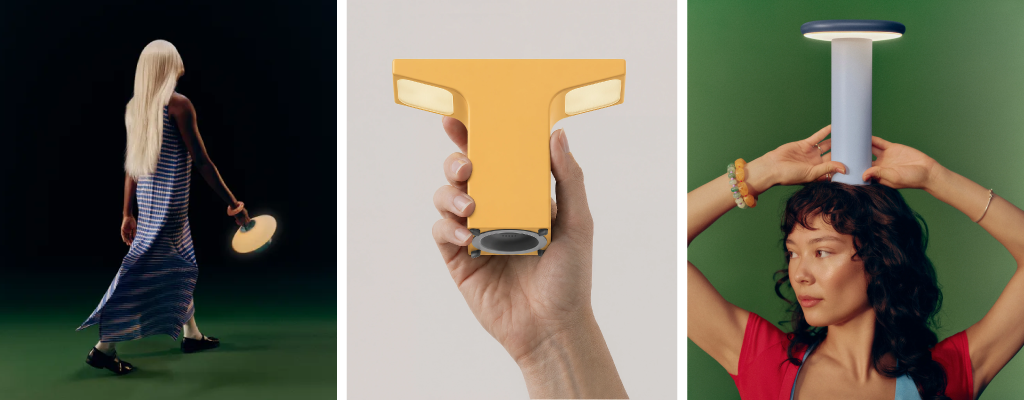
We’ve been watching Gantri for a while and it’s been interesting to see their product line evolve from a handful of pieces into a much broader ecosystem.
Personally speaking, there’s still something appealing about a lamp with a cord. However, the move into wireless lighting opens up a different type of flexibility—products that can travel with you, move between rooms, bridge indoor and outdoor environments, and adapt to changing routines while maintaining the same minimal aesthetic language.
The result feels less like owning a lamp and more like owning a lighting experience, especially as lighting continues to become more portable, adaptable, and less architectural.
Check it out @ https://www.gantri.com/wireless/
5. Pocket & PLAUD AI Notetakers
TREND | Tangible AI
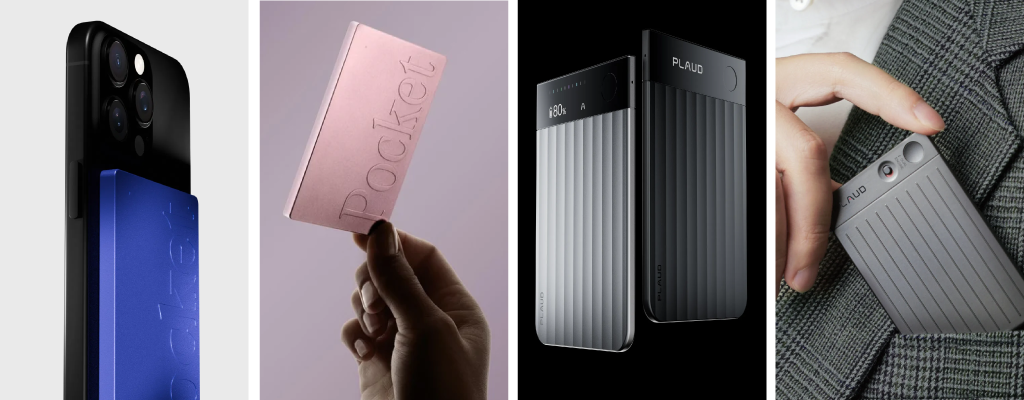
AI hardware has had a strange start—lots of concepts, but not a lot of products people actually want to carry and use. That’s why devices like Pocket and PLAUD stand out. They’re small, specific, and grounded in an everyday use case instead of trying to reinvent entire workflows.
There’s something interesting about seeing AI move from abstract software into physical objects with clear jobs to do. As these tools become more useful in day-to-day life, it will be interesting to see which experiences continue living inside phones, and which ones earn their own dedicated form factors.
Check them out @ https://heypocket.com/ and https://www.plaud.ai/
The Common Thread
Looking across these launches, what stands out isn’t any one material, category, or technology—it’s a shift in intention. Each of these products feels more thoughtful about the role they want to play in people’s lives. Some make technology feel softer and more expressive, some invite interaction and flexibility, and others intentionally do less, creating space for focus instead of constant engagement.
We’ll keep watching the products that challenge assumptions and quietly push expectations forward. Do you have a launch this year that caught your attention? We’d love to hear what made your list!

Natalie Schaake
industrial designer