Finishes That Hide Wear: The CMF Choices That Keep Products Feeling Premium
In 2026, "premium" isn't just a shiny surface and a dramatic colorway. Premium is a product that still looks good after fingerprints, kitchen cleaners, scratches, sun exposure, and life happen.
A lot of products look amazing on launch day, but customers form their real opinion around week three. This is when the matte black starts to scratch, when the glossy lid turns into a gallery of fingerprints, and when the soft-touch plastic gets tacky.
Some of the best product experience design decisions in 2026 are happening at the CMF (color, material, finish) level. After all, CMF is what people touch, clean, carry, and live with.
Consumer electronics, home goods, and handheld products alike are employing finish strategies that hide wear without feeling cheap. These are some of the ones we're seeing.
1. Satin over glossy, especially on touch points.
Satin sheens are forgiving—they scatter light instead of spotlighting every micro-scratch and oil mark. Gloss still has a place, but it's best reserved for low-touch areas or small accents.
Apple products are a great in-market example as they employ satin aluminum and titanium frames that are durable, scratch-resistant, low-glare, and feel premium. They don't go overboard with high gloss finishes and use them sparingly to highlight what counts the most: the Apple logo.

2. Micro-texture that's intentional, not just "textured."
A fine, consistent texture can hide abrasion, improve grip, and make plastic and similar materials feel more substantial. The key is subtlety; textures that are too aggressive trap grime and look dated fast.
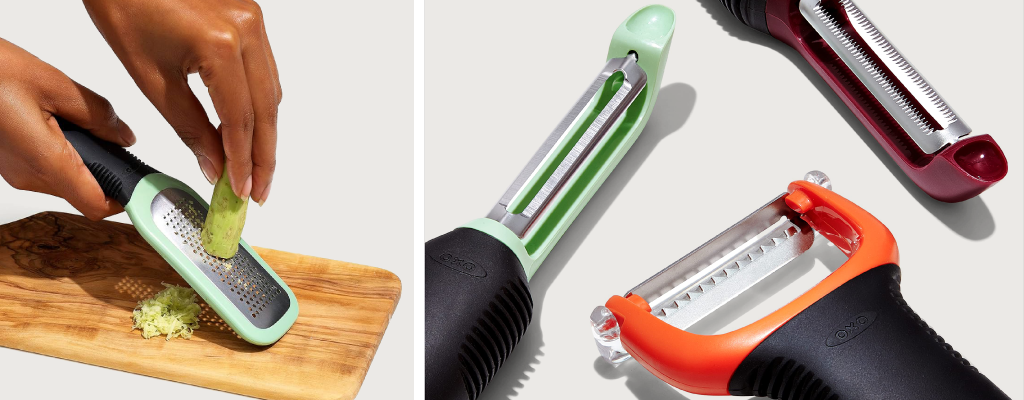
The OXO Good Grips product line implements a set of textured fins that flex when touched by the consumer. These fins are non-slip and improve overall grip and control over the tool, especially for those with dexterity challenges like arthritis. The material is soft, durable, and dishwasher safe.
3. High-touch materials over "fingerprint resistant" claims.
Instead of solving for fingerprints with a coating, start by mapping the product's real touchpoints: where do hands grab, swipe, and squeeze? Then, design those zones with forgiving materials and surface qualities. Think textiles, micro-textured polymers, or low-sheen finishes that don't broadcast skin oils.
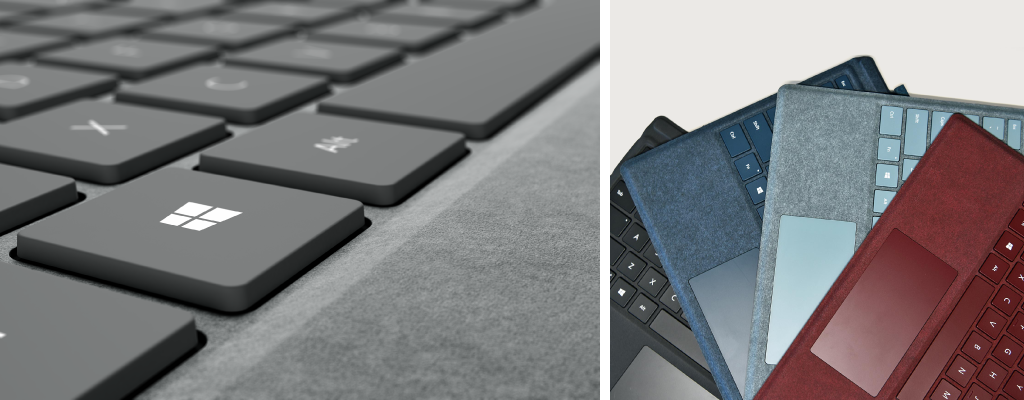
Microsoft knows that keyboards are high-touch areas, which is why they've designed the Surface Pro Signature Keyboard with biobased Alcantara, a high-end, durable, soft texture. Not only will this feel nice on the hands and fingers, but it also won't collect fingerprints or smudges.
4. Material forgiveness where damage happens first.
Most visible wear doesn't happen in the middle of a surface, but on the edges, corners, and contact points of an object. Design those zones to be inherently forgiving with materials and part breaks that won't chip or reveal an ugly base layer.
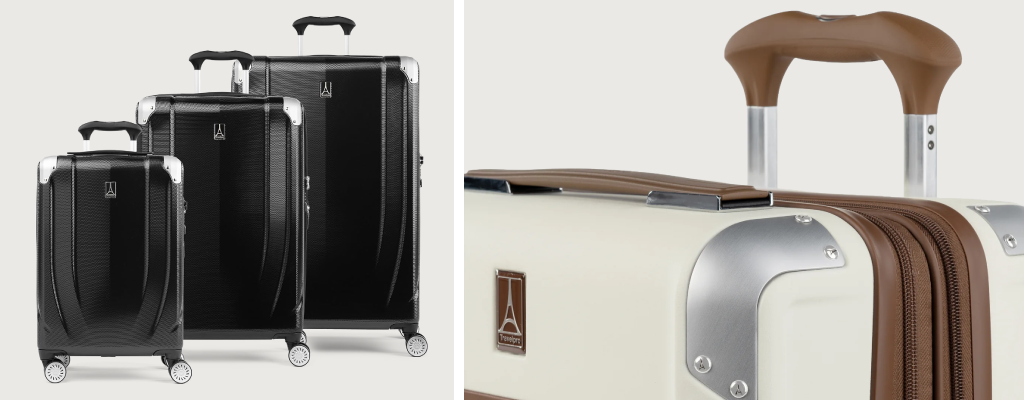
Although Travelpro makes their hardsided luggage shell out of ultra-strong polycarbonate, they know that the corners of bags are the most vulnerable. That's why, in addition to chamfering the form, Travelpro incorporated aluminum corner guards to protect and reduce the visibility of scuffs and scratches.
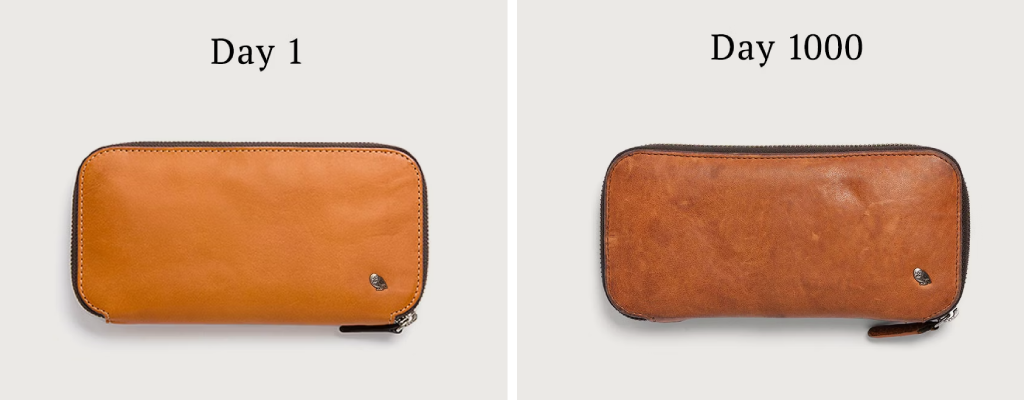
5. Patina-friendly materials that age gracefully.
Some finishes look better with time. The goal isn't "never change," it's "change in a way that still feels elevated." This can be especially powerful in lifestyle products where owners want character, not decay.
Bellroy's mission is to make products that are used and loved for as long as possible, viewing leather aging as a premium, not damage. Therefore, they work with gold-rated tanneries that treat leather with tannins that help it gain personality and develop a rich patina over time.
The common mistakes:
- Soft-touch coatings that get sticky, shiny, or peel.
- Deep matte black finishes that show every scratch in bright light.
- Concept-only textures that look great in renderings but distort in manufacturing.
The takeaway:
Prototype finishes early and abuse them on purpose—put samples in hands, hit them with keys, common household cleaners, and conduct a drop test. When finish choices hide wear, consumers don't just like the product, they keep liking it.
If you're planning a launch and want help choosing durable, manufacturable material options, Mertz can help you build a finish strategy that looks great on Day 1, and still looks great on Day 100.

Natalie Schaake
industrial designer