Design without Boundaries: What Industrial Design Taught Me About Motion
Exploring a blend of disciplines where industrial design and motion design meet to build thoughtful, story-driven work.
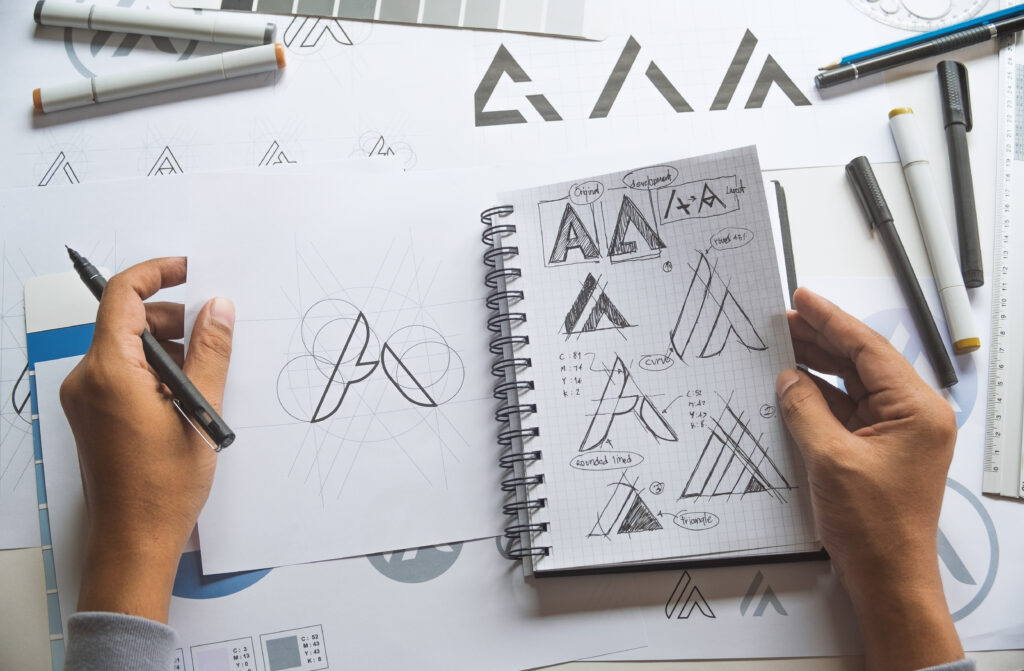
When I used to think about what I wanted to be when I grew up, it lived somewhere between creativity and science. I was in Women-In Engineering in High school because I loved problem-solving, but I missed that creative spark. That’s when the thought of industrial design clicked for me. It’s the perfect intersection in design where logic and imagination meet.
I went on to study industrial design at the University of Cincinnati and loved the process of solving real-world problems through storytelling. However, I came across a real fork in the road during one of my internships. While working at an industrial design firm, a client needed an animated video, and the task landed on my desk. I opened After Effects for the first time and instantly fell in love. Motion design made sense to me in a way that felt so familiar. It was just design thinking in a new medium. That project changed my entire trajectory.
Both industrial and motion design start with the same question: why? In animation, story and purpose drive everything. You craft visuals that invoke emotion or communicate a message. In industrial design, the story is what gives a product meaning. How will this product help someone and why should they use it? If you can’t communicate the “why,” the design falls flat in either space.
The biggest difference I’ve found between the two is freedom. In school, I dreaded 3D modeling because of the engineering parameters. Now, 3D is one of my favorite parts of motion. You can bend rules, cheat reality, and build illusion.
Industrial design taught me how to think. Motion design taught me how to make things move. I’ve realized that the best creative work often lives at the intersection of disciplines. The more you experiment across boundaries, the more your process and your style become entirely your own.